
Here is a speaking lesson that can be adapted to most CEFR levels.
Begin by telling students they will prepare and deliver a mini-presentation about a book, album, artist, or TV show everybody should be reading, listening, following, or watching.
Ask students to choose what they want to talk about and show them the following presentation template:

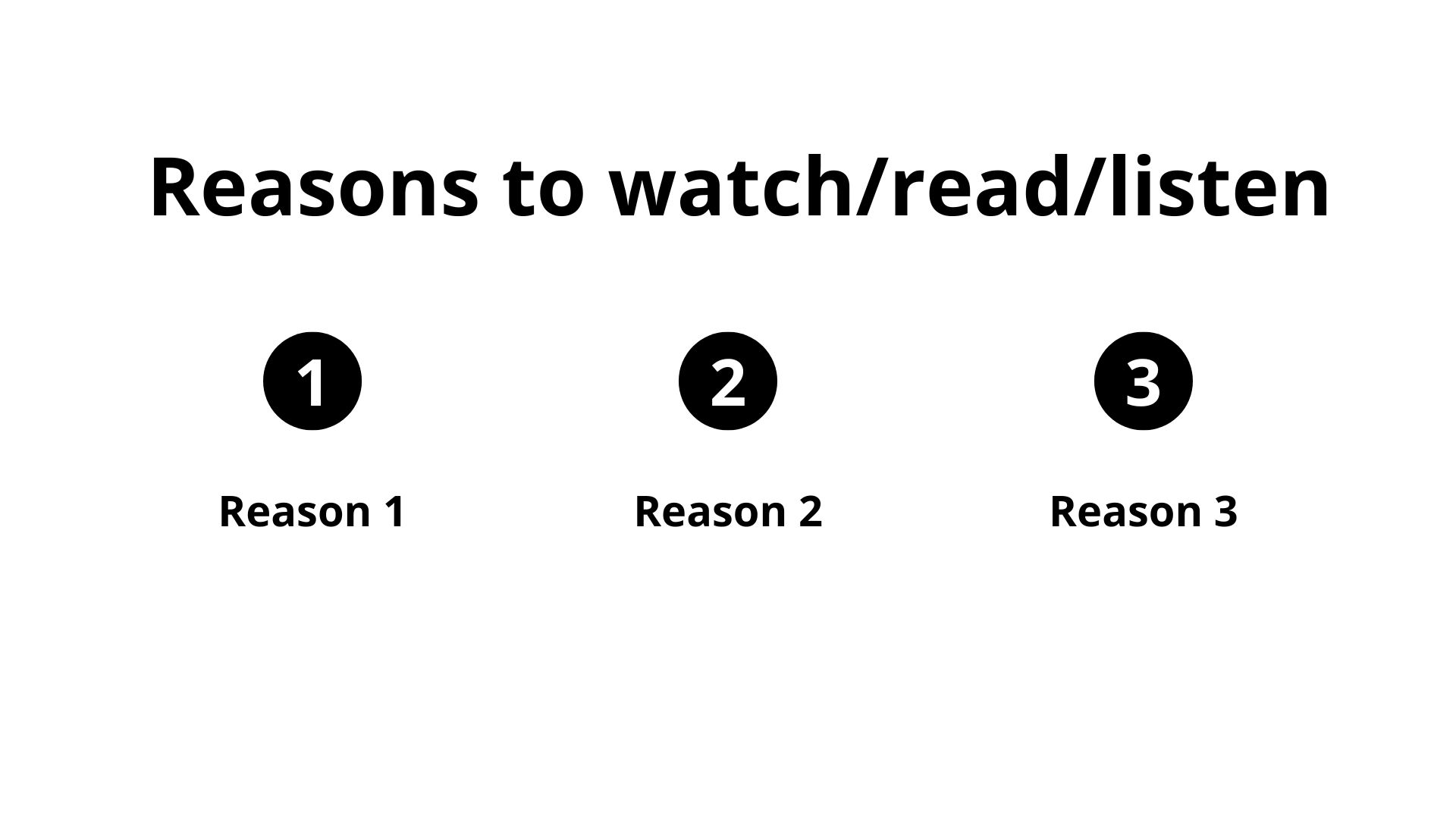
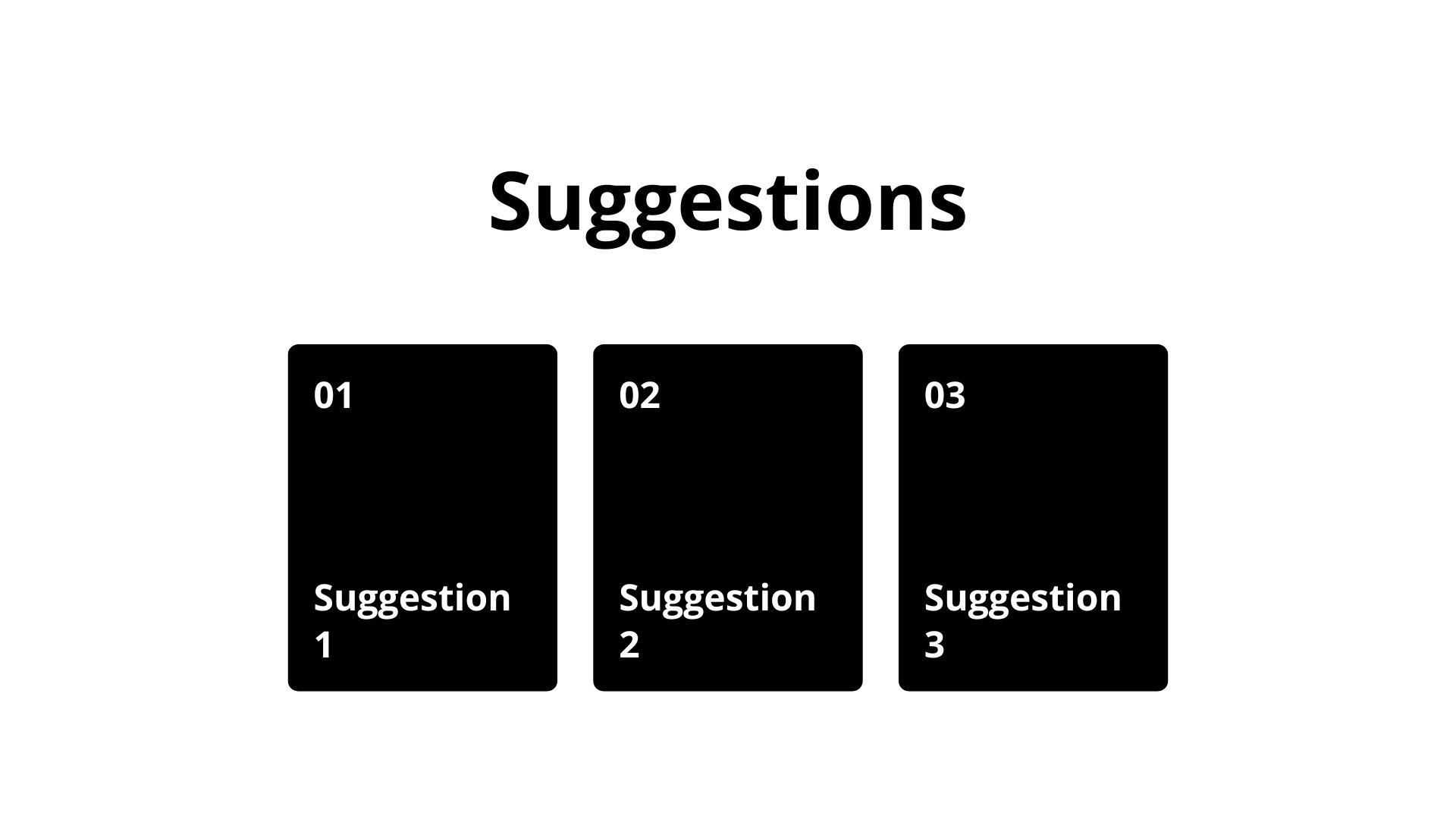
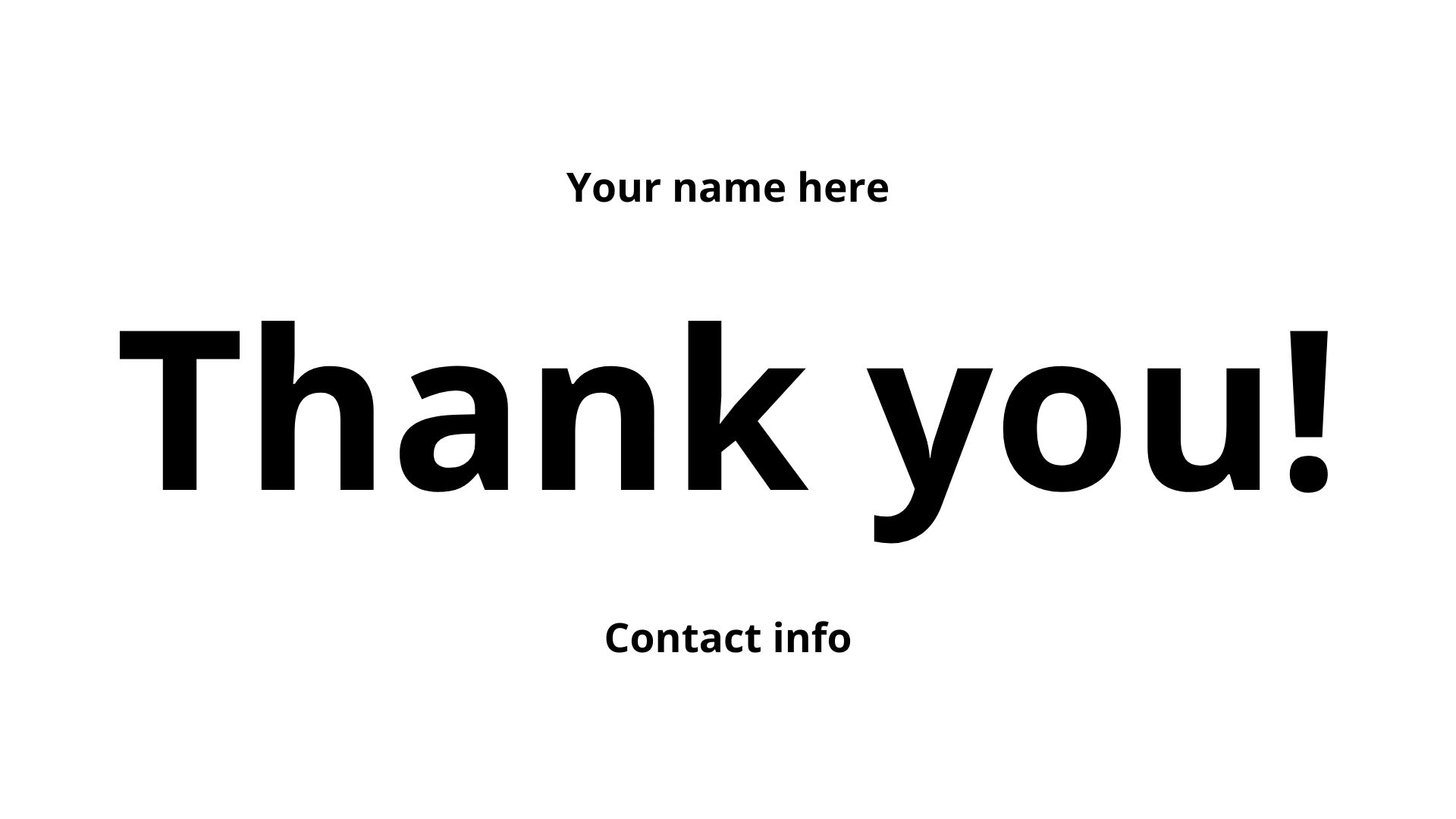
Go through the slides one by one telling students what should be written on them. They are quite self-explanatory but some clarification might be due.
Slide 1: Add a title and your name
Slide 2: Add 3 reasons to justify your recommendation
Slide 3: Add 3 suggestions regarding the topic. For instance, you might suggest a specific album from that singer or a specific season for a TV show.
Slide 4: Add your name and contact info
All slides: If time allows, add pictures and color to the slides.
Then, ask students “What do you think you should do in these moments of your presentation?” and elicit from students tips and suggestions for each stage of the presentation. For example, it might be a good idea to start the first slide with a brief introduction of the speaker and why they chose to talk about that topic. Also, it might be a good idea to tell the audience they are either free to interrupt and ask questions or wait until the end of the presentation to ask questions.
Below you find some suggestions for each stage:
Slide 1:
- Greeting
- Introduce yourself
- Connect yourself/your background to the topic
- Provide a ‘quick spoiler’ to hook the audience
Slide 2:
- Reasons should be convincing
- Reasons should be relatable to the audience
- Talk more, read less
Slide 3:
- Justify your suggestions
- If possible, add a personal anecdote to illustrate suggestions
Slide 4:
- Wrap up
- Say thank you
- Open for questions
- Share your contact info
After you go through the slides with students, allow them 5 minutes to prepare their slides. Don’t allow students more than 5 minutes to ensure most of the classroom time is spent on the oral section of the presentation rather than on slide making. Also, this will ensure students have to improvise during the presentation which might help students learn to think on their feet and foster fluency. Students can use the following link to get the template.
They should click on the FILE button on the top left corner and then CREATE A COPY so they can edit them.
When the time is up, ask students to get their notebooks and copy the following template:
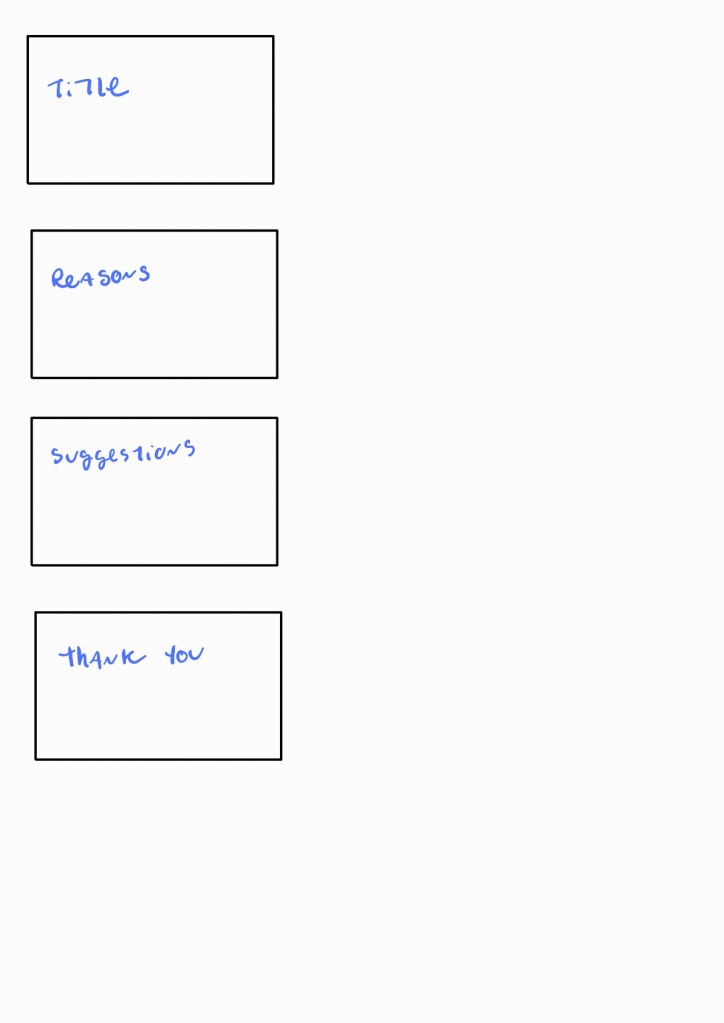
Students should use the template to take notes during their peer’s presentations to give them feedback. They should take notes specific to each moment of the presentation, using the space next to the slides to take their notes.
Invite students to present and take notes during their presentations for feedback. When the student is done presenting, ask “What did you think of your presentation?” and help the student reflect on their presentation by asking further probing questions such as “What makes you say that?”. When the student is done talking, ask their peers to give them feedback and, when they are done, share your feedback with them. Repeat this process until all students have presented.
If time allows, ask students to present again using the feedback they got from their peers and you and repeat the feedback process focusing on their progress.
As a suggestion for homework, encourage students to create another presentation but this time rehearse it before coming to class. Repeat the present -> self-feedback -> peer-feedback -> teacher-feedback process described above in the next class.
I hope you and your students enjoy this lesson!

 ELT in Brazil
Leave a comment